


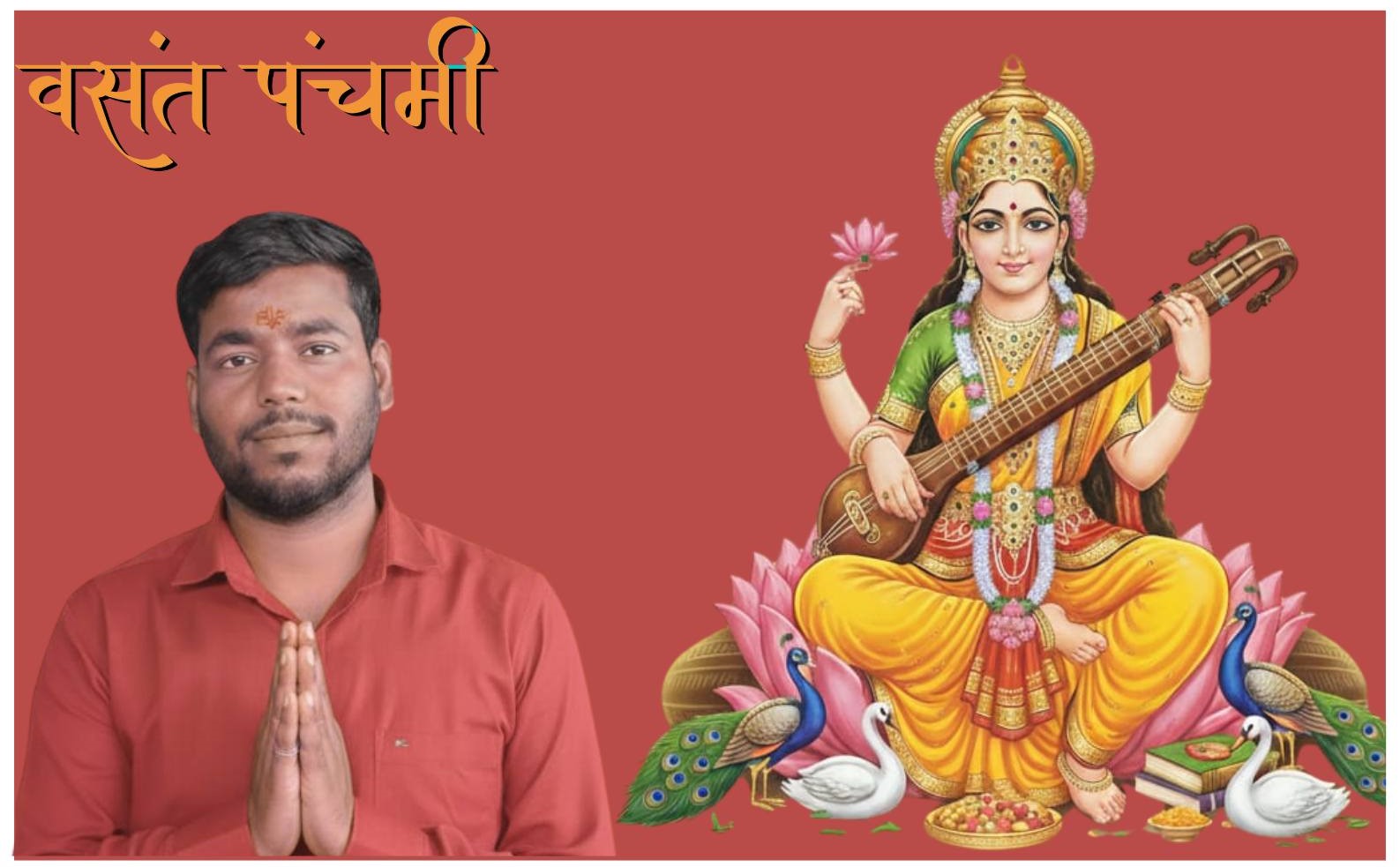

One of the most auspicious Hindu holidays, Basant Panchami, also called Vasant Panchami, celebrates the worship of Goddess Saraswati, the deity of knowledge, wisdom, learning, music, and the arts, and heralds the arrival of spring. In India, Basant Panchami, which is celebrated on the fifth day (Panchami) of the bright half of the Magha month, has great religious, cultural, educational, and seasonal significance.
Students, instructors, artists, academics, and families who want blessings for success, wisdom, and creativity all participate in the festival. Basant Panchami represents fresh starts, optimism, and intellectual development because of its profound spiritual roots and close ties to the natural world.
Basant Panchami will be observed in February of 2026. The day is thought to be very fortunate for beginning new spiritual, artistic, and educational endeavors. On this day, many parents decide to start their children’s education by introducing them to the traditional Vidyarambh Sanskar.
In the past, Basant Panchami has been linked to traditional Indian educational systems, where scholars and students honored learning and knowledge. The festival developed over time into a cultural event that links education, spirituality, and seasonal change. Spiritual and Religious Significance
The triumph of knowledge over ignorance and light over darkness is symbolized by Basant Panchami. Worshiping Goddess Saraswati on this day, according to devotees, promotes mental clarity, increased focus, and success in the arts and sciences. Saraswati Puja, where idols or images of the goddess are devotedly worshipped, is held in homes, temples, schools, and colleges. To ask for divine blessings, sacred texts, musical instruments, and study materials are placed close to the idol. The festival reminds people that wisdom and education are lifelong endeavors and promotes self-discipline, learning, and inner development.
Yellow’s Significance in Basant Panchami
The predominant color of Basant Panchami is yellow, which has significant symbolic meaning.
It stands for vitality, optimism, prosperity, and freshness—all of which are associated with spring. India’s mustard fields are in full bloom during this time, giving the country a yellow hue. Devotees prepare yellow-colored meals, dress in yellow, and adorn their homes with yellow flowers. The hue is thought to draw good vibes and improve happiness and mental clarity. Rituals of Basant Panchami Puja
On Basant Panchami, the Saraswati Puja is a straightforward but profoundly significant ritual.
The festival also takes place at the time of the seasonal change from winter to spring, when the environment becomes lively and vibrant and nature starts to bloom. Why Do People Celebrate Basant Panchami.
Hindu mythology states that on Basant Panchami, Goddess Saraswati appeared to bestow knowledge, speech, wisdom, and creativity upon humanity. The day is therefore commemorated as her appearance day.
Saraswati’s blessings are thought to eradicate ignorance and confusion from life, and she is regarded as the source of knowledge and enlightenment.
In the past, Basant Panchami has been linked to traditional Indian educational systems, where scholars and students honored learning and knowledge. The festival developed over time into a cultural event that links education, spirituality, and seasonal change. Spiritual and Religious Significance
The triumph of knowledge over ignorance and light over darkness is symbolized by Basant Panchami. Worshiping Goddess Saraswati on this day, according to devotees, promotes mental clarity, increased focus, and success in the arts and sciences. Saraswati Puja, where idols or images of the goddess are devotedly worshipped, is held in homes, temples, schools, and colleges. To ask for divine blessings, sacred texts, musical instruments, and study materials are placed close to the idol. The festival reminds people that wisdom and education are lifelong endeavors and promotes self-discipline, learning, and inner development.
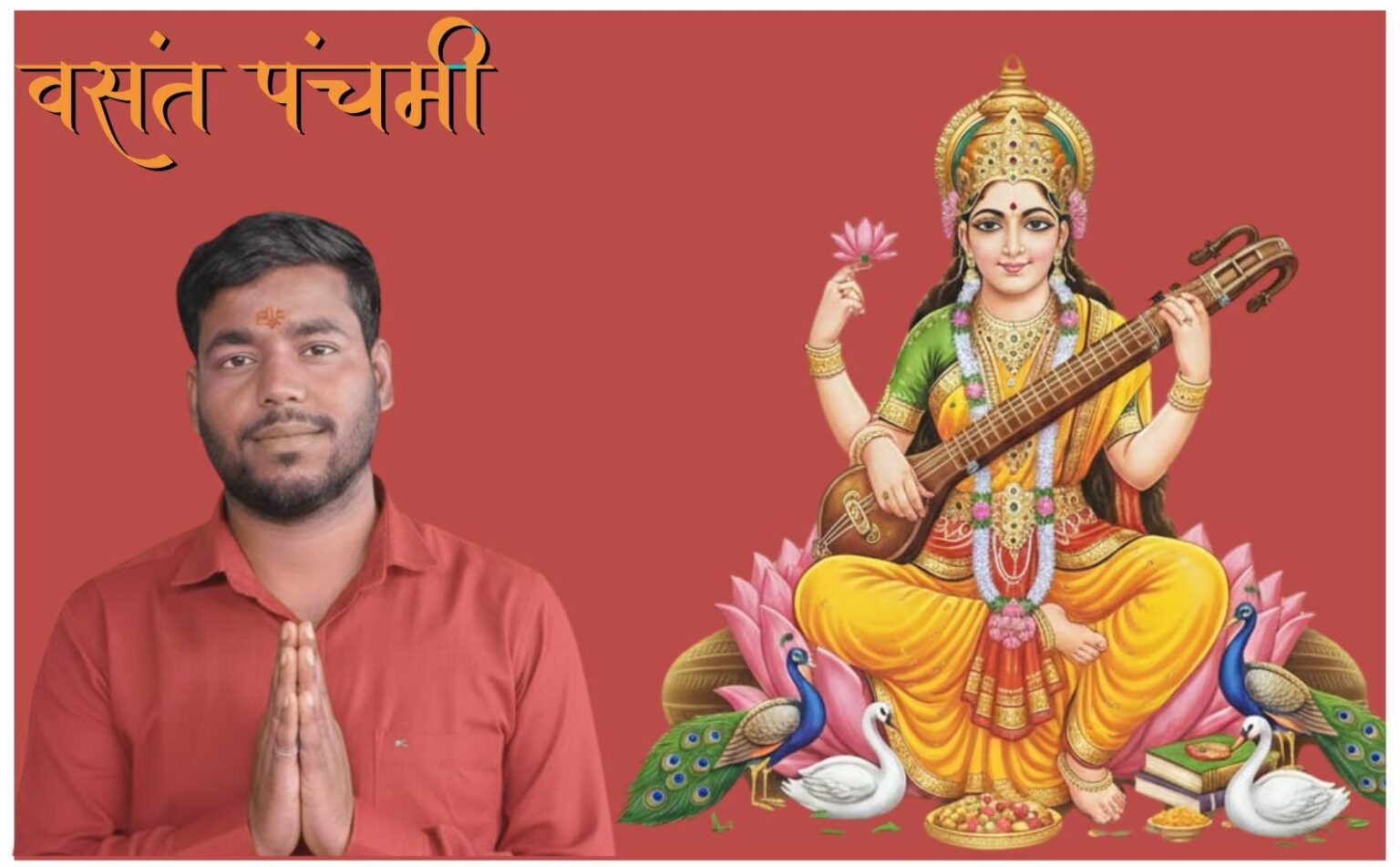
- Yellow’s Significance in Basant Panchami
The predominant color of Basant Panchami is yellow, which has significant symbolic meaning. It stands for vitality, optimism, prosperity, and freshness—all of which are associated with spring. India’s mustard fields are in full bloom during this time, giving the country a yellow hue. Devotees prepare yellow-colored meals, dress in yellow, and adorn their homes with yellow flowers. The hue is thought to draw good vibes and improve happiness and mental clarity. Rituals of Basant Panchami Puja
On Basant Panchami, the Saraswati Puja is a straightforward but profoundly significant ritual.
Typical customs consist of:
- Having a bath first thing in the morning
- Donning light-colored or yellow clothing
- Installing a Saraswati idol or picture
- Offering incense, fruits, flowers, and candies in yellow
- chanting prayers and mantras in Saraswati
- Waiting to write or read until after the puja is finished
As a sign of respect, students put books, notebooks, pens, and musical instruments close to the god. Goddess Saraswati is said to bestow wisdom, creativity, and intelligence on her devotees. Very Important for Students and School Students think that Basant Panchami is a very lucky day. On this day, a lot of schools and colleges hold special pujas, cultural events, and prayer services. The tradition of Vidyarambh, where young children are introduced to alphabets and writing, is widely followed. Students believe that studying on Basant Panchami improves memory, concentration, and academic performance. Teachers are also honored, as the festival highlights the importance of education and mentorship in society.
- Cultural Celebrations Across India
Basant Panchami is celebrated in diverse ways across different regions of India: West Bengal: The festival is marked by grand Saraswati Puja celebrations in schools, colleges, and homes. Punjab and Haryana: Kite flying and agricultural celebrations highlight the arrival of spring. Bihar and Jharkhand: Traditional rituals and community gatherings are common. Uttar Pradesh and Rajasthan: Devotees celebrate with yellow attire, music, and cultural programs. Despite regional variations, the central theme of worshipping knowledge and welcoming spring remains constant. Traditional Food Prepared on Basant Panchami
Food plays an important role in Basant Panchami celebrations. Dishes prepared on this day usually have a yellow color, symbolizing prosperity and positivity.
Popular dishes include:
- Kesari Halwa
- Yellow rice
- Kesar kheer
- Boondi ladoo